

Footnotes
(Note 1) Based on climate scenarios including SSP1-1.9 (1.5°C scenario) and SSP5-8.5 (4°C scenario) published by the Intergovernmental Panel on Climate Change (IPCC), as well as scenarios issued by the International Energy Agency (IEA).
(Note 2) ASV stands for Ajinomoto Group Creating Shared Value. Derived from the concept of CSV (Creating Shared Value), it reflects the Ajinomoto Group’s approach to generating both social and economic value by addressing societal challenges through its business activities—rather than focusing solely on sales and profit.
Scenario Analysis and Information Disclosure Based on TCFD Recommendations (FY2023)
Ajinomoto Co., Inc.
Industry: Manufacturing
| Updated | December 2, 2024 (Posted on June 26, 2025) |
|---|---|
| Publication date | February 9, 2021 |
Company Overview

The Ajinomoto Group aims to become a solution-providing group of companies that addresses food and health issues by using "the function of amino acids" to solve problems associated with eating habits and the aging of society, and to co-create wellness for people.
With "Eat Well, Live Well." as our corporate message, we will strive for further growth by scientifically pursuing the potential of amino acids and creating new value together with local communities and society through our business activities.
Climate Change Impacts
Climate change affects the Group's business in various ways, including the suspension of business activities due to large-scale natural disasters, impacts on the procurement of raw materials such as crops and fuel, and changes in product consumption patterns. At the same time, our business activities also place a burden on the environment. In particular, the production of amino acids — including glutamic acid, the raw material for umami seasonings — requires large amounts of energy.
Adaptation Initiatives
In May 2019, following its response to the CDP questionnaire on corporate environmental disclosure, the Company expressed its support for the recommendations of the Task Force on Climate-related Financial Disclosures (TCFD), established by the Financial Stability Board. At the same time, the Company announced its participation in the TCFD Consortium, which promotes discussions on effective corporate disclosure and how such disclosures can support appropriate investment decisions by financial institutions. Based on the TCFD recommendations, the Company is actively evaluating the risks and opportunities that climate change poses to its business and is promoting the proactive disclosure of related information.
In FY2023, scenario analysis was conducted for global umami seasonings and other processed foods in addition to major domestic and overseas products (Note 1, Fig. 1). With regard to medium- to long-term production impacts, the analysis classified droughts, floods, sea level rise, and changes in raw material yields as physical risks, and classified carbon pricing, tighter environmental regulations, rising energy costs, and shifts in consumer preferences as transition risks.
Given that the anticipated average temperature difference between the 1.5°C and 4°C scenarios in 2030 is approximately 0.2°C and that no significant difference in physical risk is expected, we identified risks (Fig. 2) and opportunities (Fig. 3) for the scenario analysis in 2050, when the average temperature difference is expected to be about 1°C and greater differences in physical risks are anticipated.
Effects / Expected Benefits
As part of our strategic response to the scenario analysis results and their potential impact on our business, we plan to invest in fuel switching, greater use of renewable energy, and more environmentally conscious manufacturing methods to further reduce GHG emissions. We are also working to develop new business strategies aimed at realizing “ASV” (Note 2), which focuses on creating added value through sustainability initiatives. Going forward, we will enhance our risk and opportunity assessments by expanding the range of products and risk factors covered in future scenario analyses.
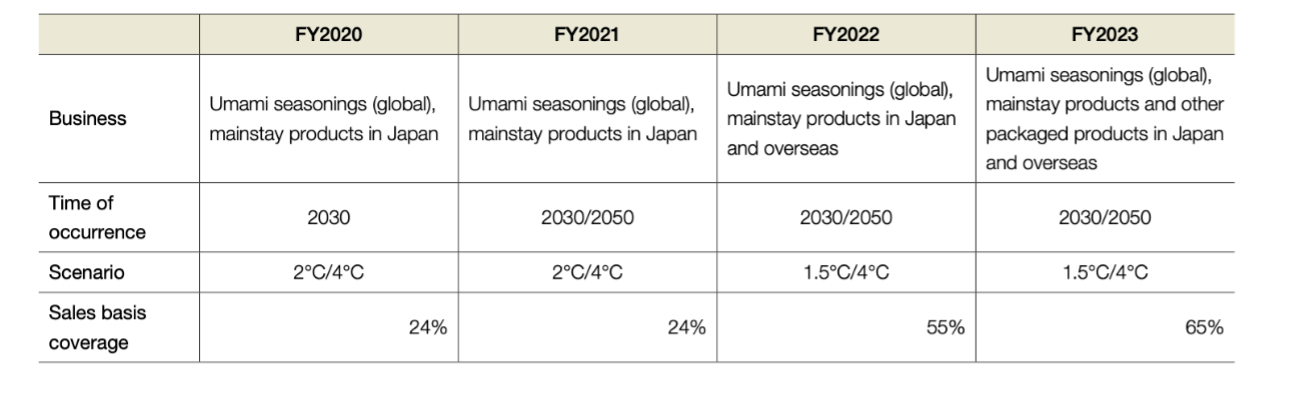
Fig. 1: Summary of Changes in Assumptions for Scenario Analysis (FY2020-FY2023)
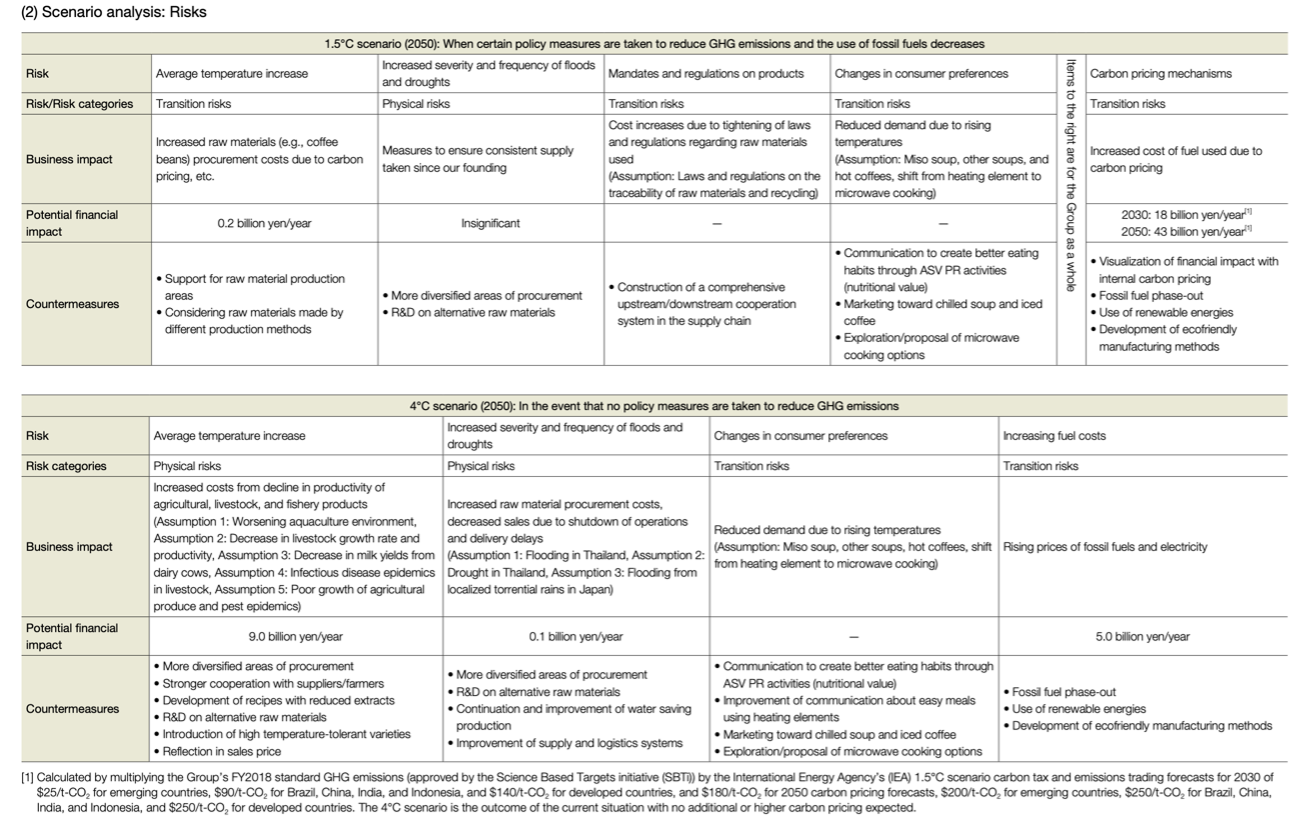
Fig. 2: Scenario Analysis: Risks
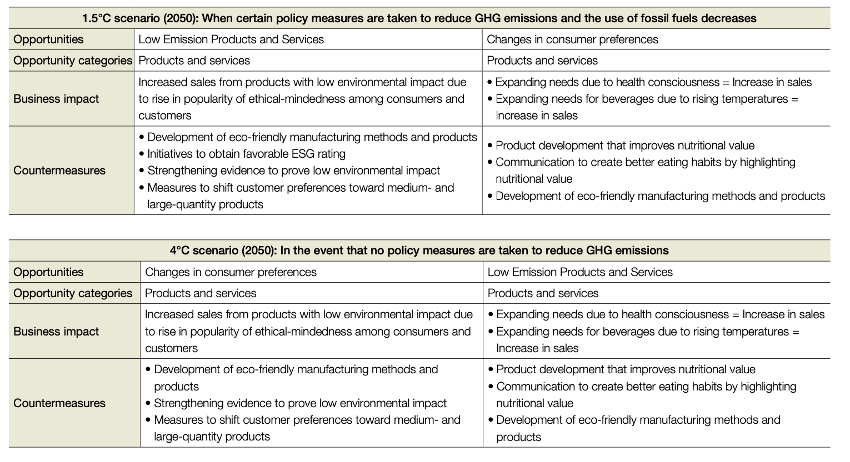
Fig. 3: Scenario Analysis: Opportunities
