

Footnote
(Note) The target year for initiatives related to "Mitigating and adapting to climate change" is set as 2050.
Response to the TCFD (Task Force on Climate-related Financial Disclosures)
Daiwa House Industry Co., Ltd.
Industry: Construction
| Last Updated | December 13, 2024 (Posted on July 29, 2025) |
|---|---|
| Publication date | February 28, 2022 |
| Sector | Industrial and economic activities |
Company Overview

Since its founding in 1955, Daiwa House Industry has been contributing to society as a “group that co-creates value for individuals, communities, and people’s lifestyles.” The company engages in the construction of a wide range of buildings, including detached houses, rental housing, condominiums, commercial facilities, logistics facilities, medical and nursing care facilities, and corporate buildings. It also operates various facilities such as hotels, home centers, and sports clubs. Looking ahead to its 100th anniversary in 2055, the company has formulated a long-term environmental vision titled “Challenge ZERO 2055” (Note), under which it is striving to achieve zero environmental impact. Furthermore, we are accelerating our environmental initiatives by joining global initiatives such as RE100, EP100, and SBT—becoming the first company in the global construction and housing sector to do so.
Climate Change Impacts
The impacts of climate change are becoming increasingly severe each year. Extreme weather events and climate-related disasters—widely believed to be linked to climate change—are occurring more frequently, posing a growing threat to the safety and security of homes and daily life, which form the foundation of the value we provide.
At the same time, since the adoption of the Paris Agreement, countries and governments around the world have made a decisive shift toward decarbonization. Expectations for the role of the private sector are also evolving significantly in response.
Adaptation Initiatives
In September 2018, the Company expressed its endorsement of the TCFD recommendations and utilizes the framework of "Governance," "Strategy," "Risk Management," and "Metrics and Targets" that the TCFD recommends for disclosure as a tool to verify the appropriateness of its climate change-related efforts and to disclose information in line with the TCFD recommendations.
Risks and opportunities associated with climate change can be attributed to "transitions" such as tighter regulations, technological advances, and market changes as we move toward a "decarbonized society," or to "physical changes" such as acute extreme weather events and chronic temperature increases resulting from "global warming." In addition, the effects of these changes may become apparent not only in the short term, but also in the medium to long term. Therefore, the Group has identified significant risks and opportunities by classifying the various external environmental changes associated with climate change into "transition" and "physical change" factors, and evaluated the financial impact on three levels (large, medium, and small) based on the estimated period of impact (Fig. 1).
Based on the identified risks and opportunities, the Group conducts business impact assessments using multiple scenarios to formulate business strategies that flexibly respond to future changes in the external environment. In analyzing scenarios, we refer to the 1.5°C scenario as a scenario of "transition" and the 4°C scenario as a scenario of extreme "physical change" to verify the validity of our business strategies.
Effects / Expected Benefits
The analysis confirmed that, under both scenarios projected for 2030, demand for the Group’s net-zero energy homes and buildings—as well as for its Environment and Energy Business—is expected to increase. The resulting revenue growth is anticipated to outweigh any negative financial impacts, reaffirming the appropriateness of our risk management measures and underscoring the importance of proactively pursuing further business opportunities (Fig. 2).
This assessment was conducted as a simplified analysis, limited to key risks and opportunities within the Group’s core business areas: Single-Family Houses; Rental Housing; Condominiums; Commercial Facilities; Logistics, Business and Corporate Facilities; and Environment and Energy.
Going forward, the Group intends to expand the scope of its scenario analysis to encompass a broader range of businesses. Efforts will also be made to enhance the comprehensiveness of identified risks and opportunities and to further improve the analytical rigor of future assessments.
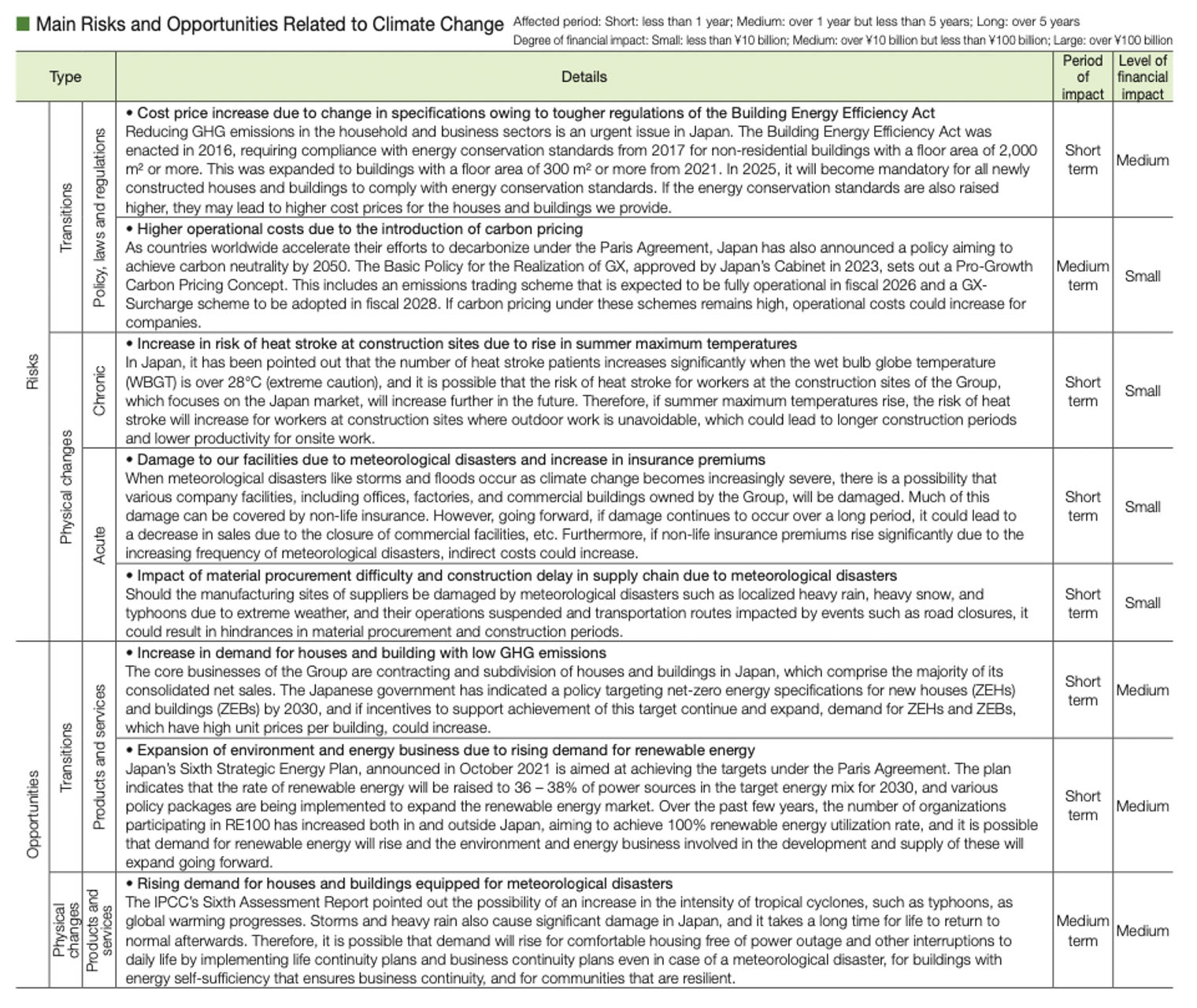
Fig. 1: Main Risks and Opportunities Related to Climate Change
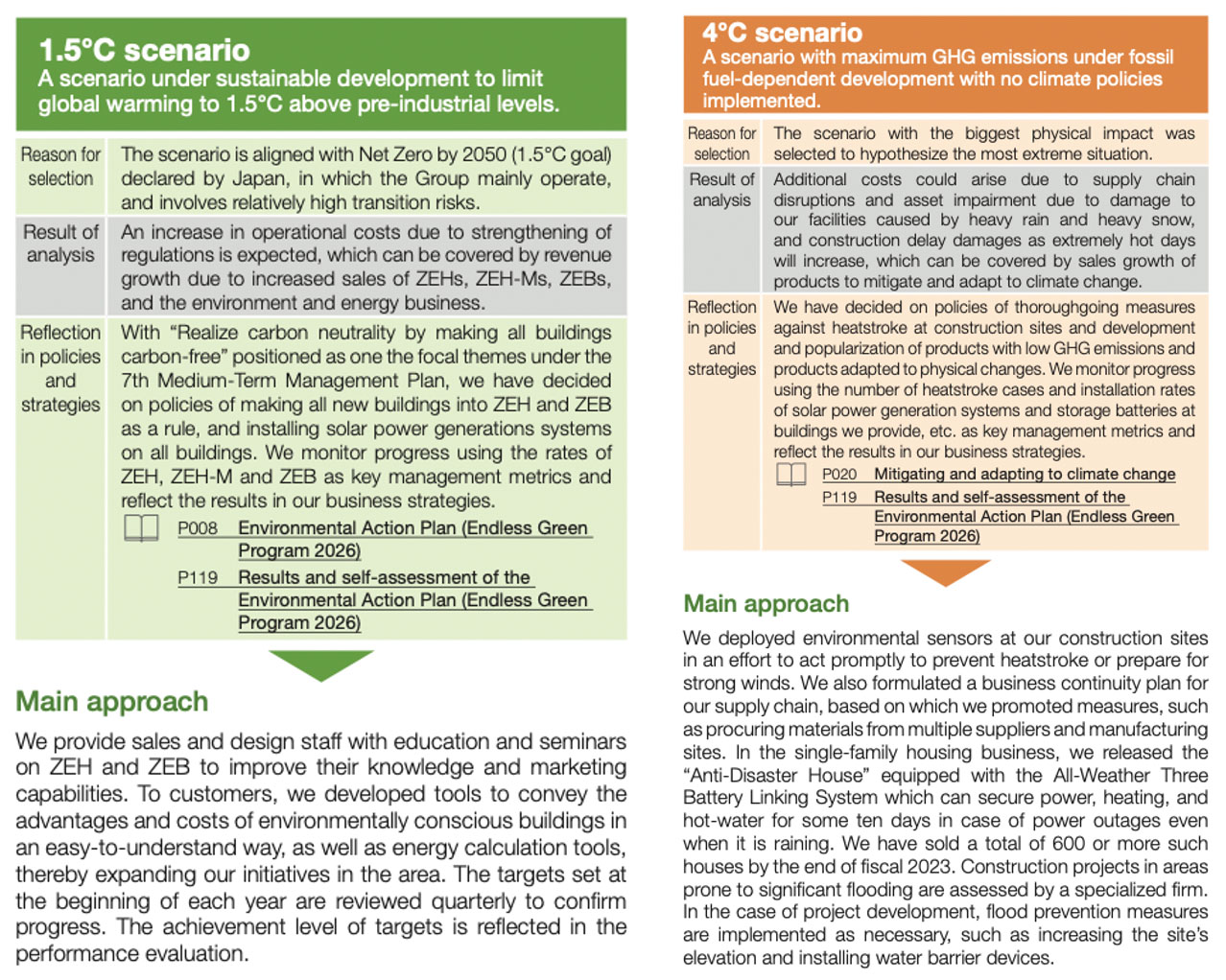
Fig. 2: Results of Scenario Analysis and Main Approaches
