Heat Solutions Using Radiative Cooling Material: SPACECOOL®
SPACECOOL INC.
| Updated | July 14, 2025 (Posted on July 14, 2025) |
|---|---|
| Publication date | January 18, 2024 |
| Sector | Industrial and Economic Activity / Human Health / Life of Citizenry and Urban Life |
Company Overview

SPACECOOL INC. is a Japanese climate tech start-up company that develops, manufactures, and sells SPACECOOL®, the world's leading radiative cooling material. The company has not only received numerous domestic awards and extensive media coverage, but has also gained international attention from countries around the world, including the Middle East.
Climate Change Impacts
In recent years, extreme high temperatures due to climate change have led to numerous heat-related challenges worldwide, including increased risk of heat stroke, outdoor equipment failure, and higher energy consumption. It is essential for humanity to not only mitigate these challenges, but also to adapt to them in the future.
Adaptation Initiatives
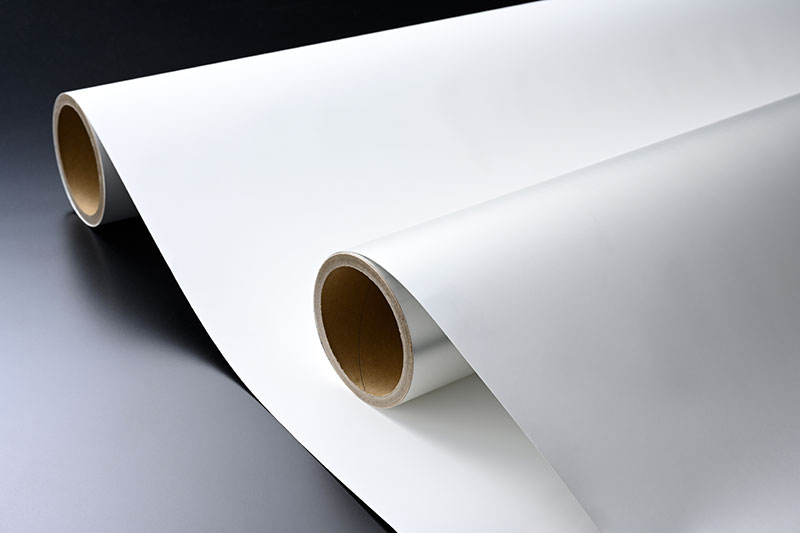
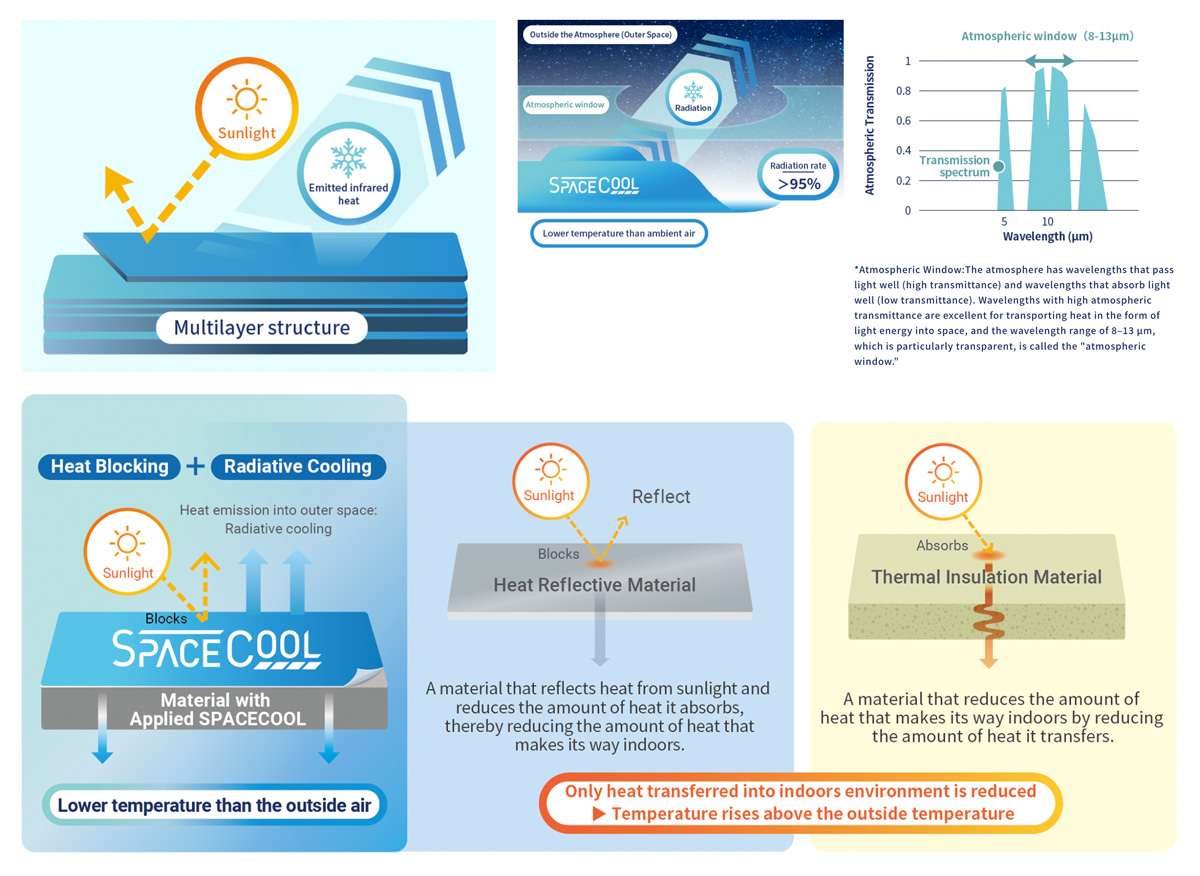
SPACECOOL® is an optical film with the world’s highest level of radiative cooling performance. Under direct sunlight, it not only blocks up to 95% of heat from solar radiation, significantly suppressing heat absorption, but also emits up to 95% of heat into outer space based on the principle of radiative cooling. This allows it to lower the temperature below the ambient air with zero energy consumption (Fig. 1, Fig. 2).
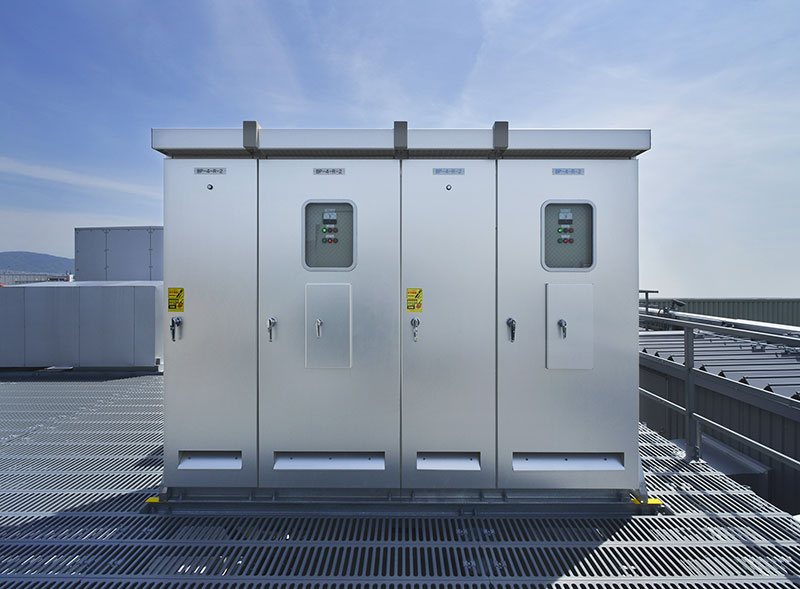
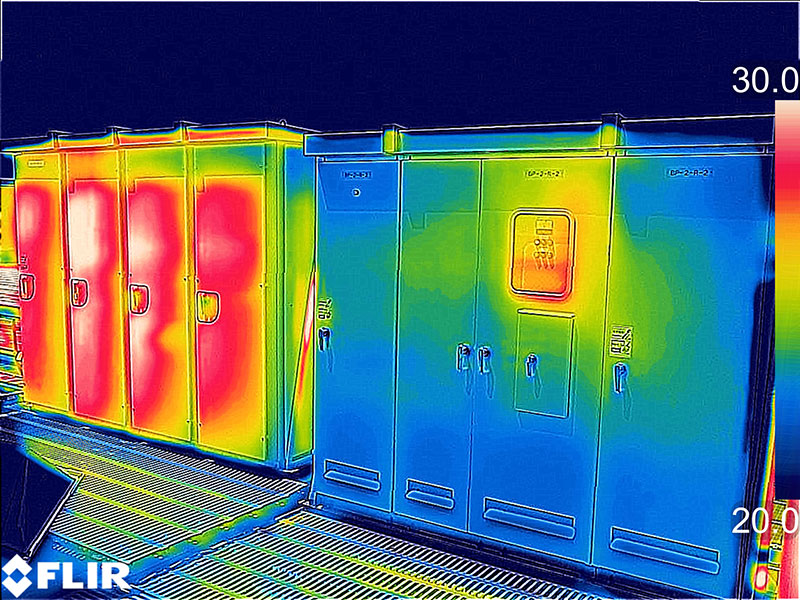
The radiative cooling functionality can be easily applied simply by installing SPACECOOL® onto the surface of any object ("Smart Surface" transformation). For example, when installed on the surface of a power distribution board, it can suppress internal temperature increases by more than 10℃, significantly reducing the risk of failures and resulting power outages (Fig. 3, Fig. 4). In addition, SPACECOOL® has been adopted to support the stable operation of various outdoor infrastructures such as HVAC outdoor units, solar power inverters (PCS), and railway equipment boxes. As of April 2025, over 5,000 outdoor devices have been equipped with SPACECOOL®.
Furthermore, it is being increasingly applied to the roofs and rooftops of buildings to reduce air conditioning energy consumption and help protect workers from heat stress. In a demonstration test using prefabricated buildings, SPACECOOL® reduced indoor temperature increases and led to approximately 20% lower air conditioning energy usage, while also contributing to improved working conditions.
*Actual cooling effectiveness may vary depending on the environmental conditions of use.
SPACECOOL® has already been adopted by numerous companies throughout Japan. Moreover, many countries outside Japan are facing severe heat-related challenges, and full-scale implementation of SPACECOOL® on buildings and outdoor infrastructure is progressing worldwide-particularly in regions such as the Middle East and Southeast Asia, where widespread adoption is expected to further accelerate in the coming years.
Effects / Expected Benefits
SPACECOOL® is expected to have the following effects as a solution to the heat-related issues faced by "people, objects, and society" without consuming energy, taking advantage of its characteristics that anyone can easily introduce without selecting the object.
✔"People" Contribution to heat stroke prevention, food freshness maintenance, etc.
✔"Objects" Contribution to preventing outdoor equipment failures, improving loading space efficiency, etc.
✔"Society" Contribution to greenhouse gas emission reduction, zero-energy solutions, etc.
It is expected that further promotion of the project will contribute to solving global warming and energy depletion problems, which have become common issues worldwide.